A design dialogue with Roel Vandebeek
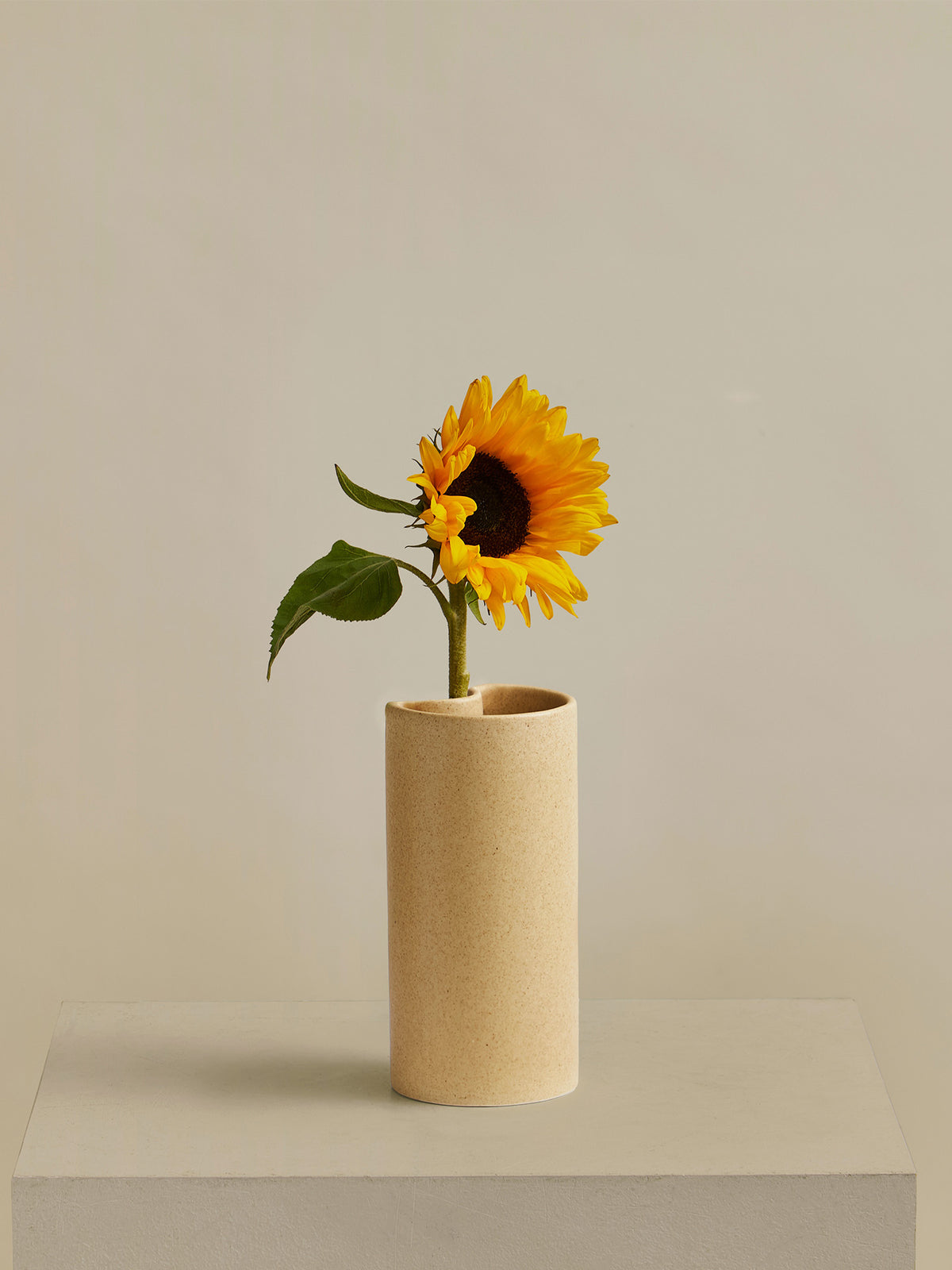
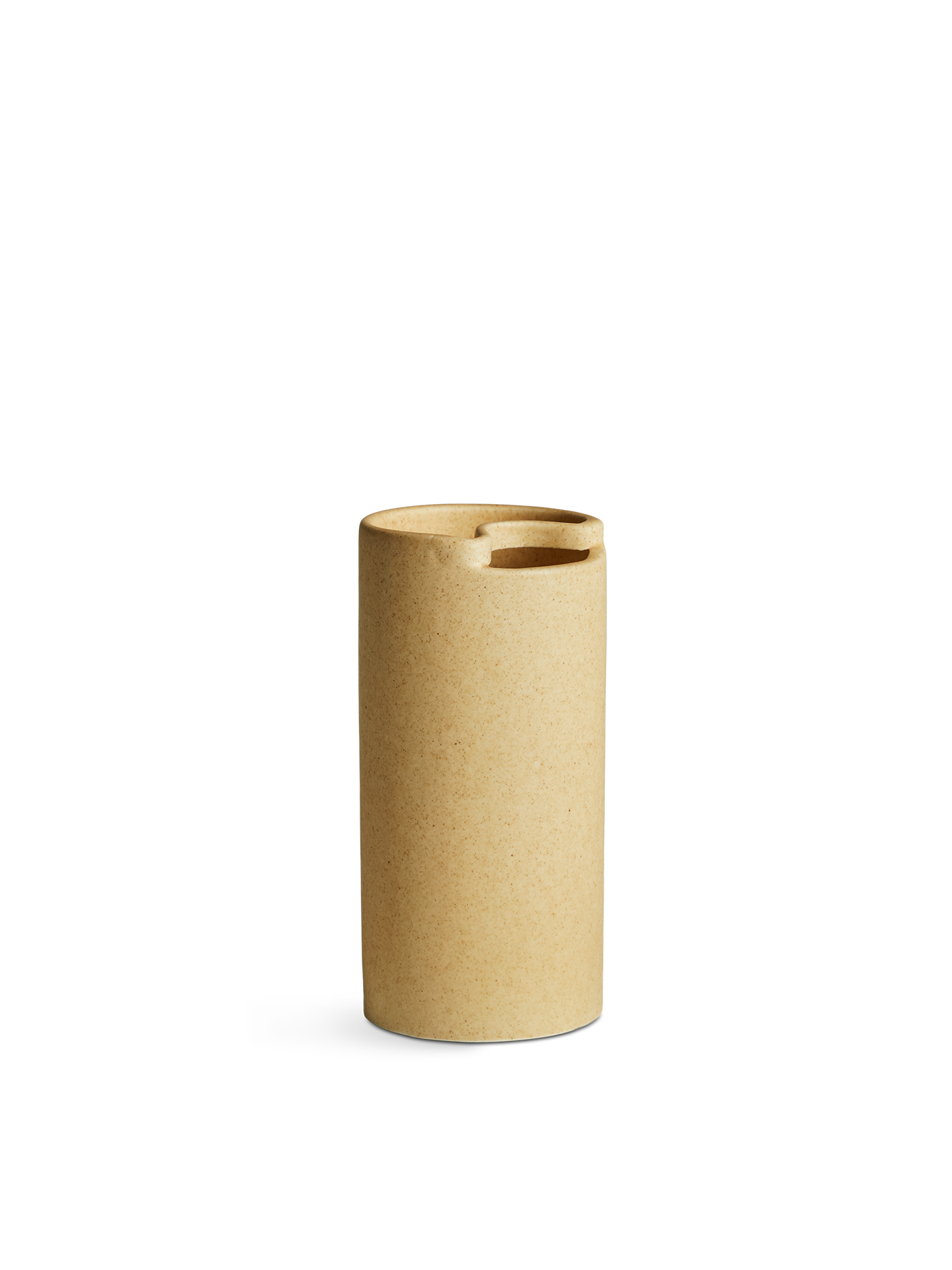
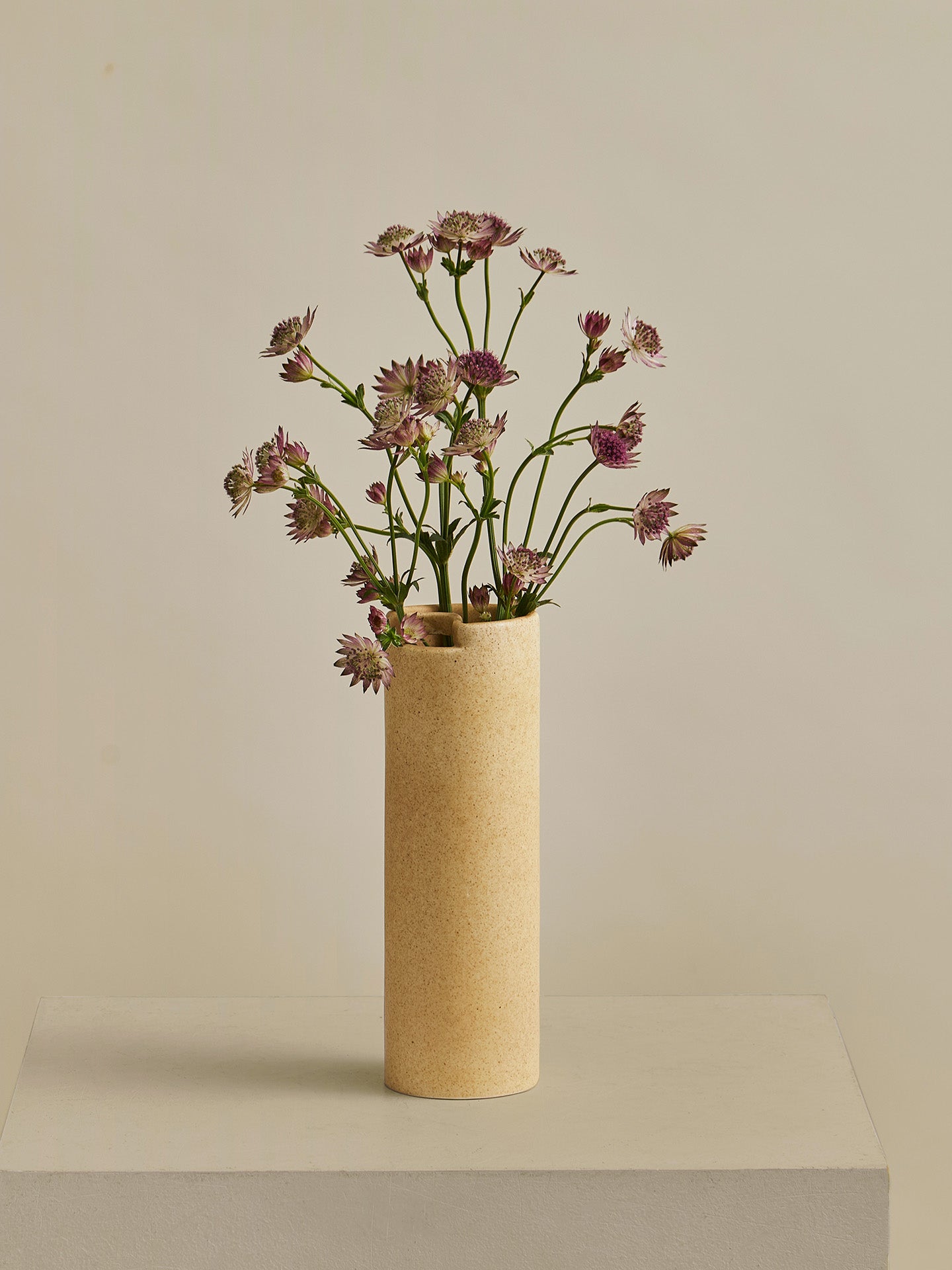
With the launch of Flowr this season, we travelled to Maasmechelen, Belgium, earlier this year to spend a few days with designer and HIDN co-founder Roel Vandebeek at Dêpot des Arts. Reflecting the principles of the HIDN design language, the vase reveals hidden possibilities within the simplest of forms.
In this conversation, we explore the life of an idea - where ideas begin, how they evolve, and what happens when they are shared. Roel Vandebeek shares his reflections on the thoughts, experiences and curiosity that continue to shape his work, from developing new designs to teaching the next generation of designers.

The beginning of an idea
Join us in the conversation as Roel Vandebeek shares his approach to the early stages of the design process, from the first idea to developing new concepts
Every project begins somewhere. When you begin a new project, what usually sparks the first idea? Is it with a material, a practical challenge, an observation, or simply a feeling you want to explore?
For me, an idea begins by analysing the question or challenge. I really get into the product, the material, the production, the company DNA, the person or people involved. All the things that form the basis of the challenge. Trying to understand every aspect of what I am working with. From there, lots of different leads begin to emerge and give me something to explore. For me, this is the only way to arrive at a good solution.
Not every idea becomes a product. What makes you decide that an idea is worth developing further? Do you recognise it immediately, or does it become clear as you work with it?
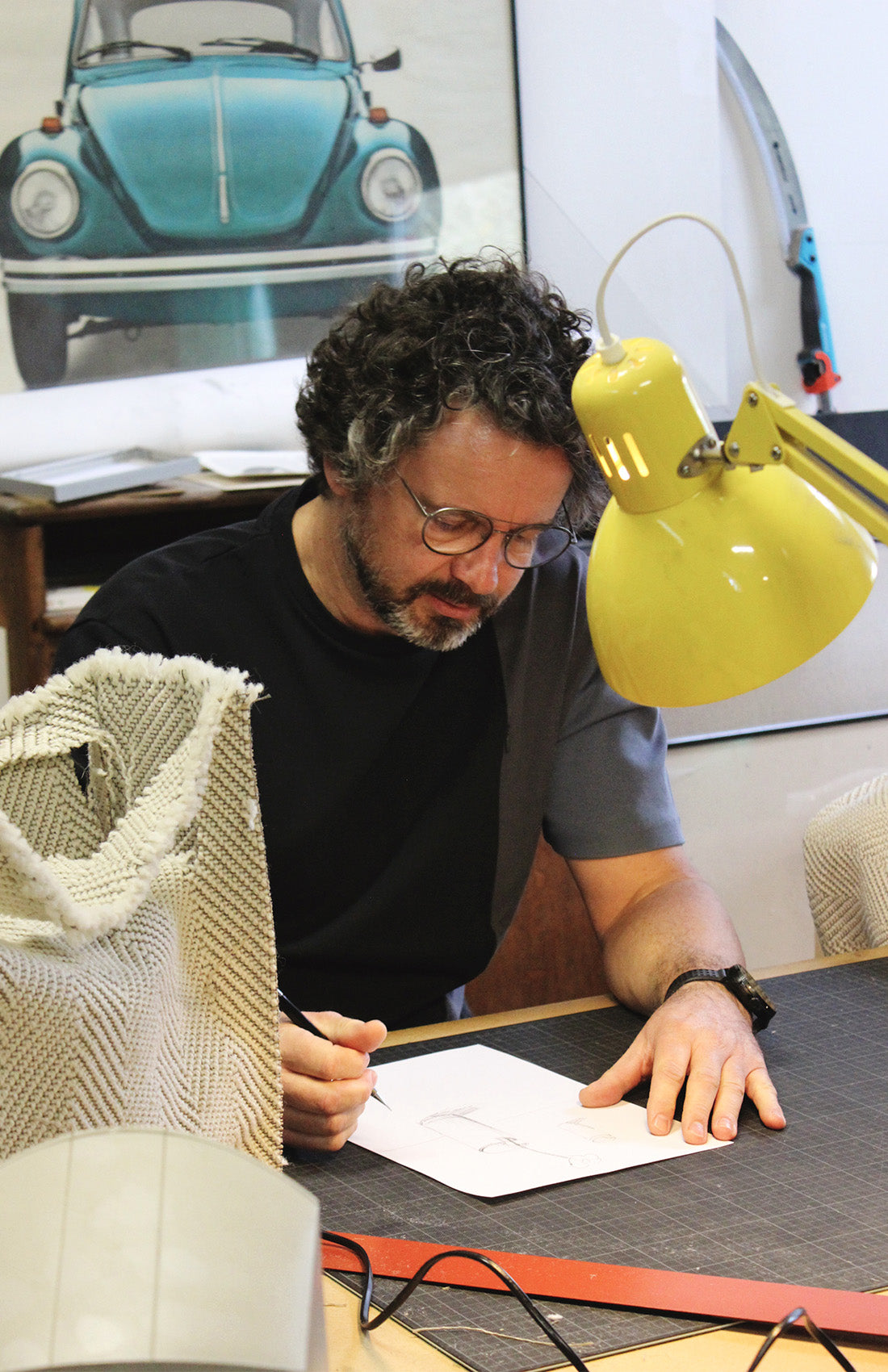
I always start by sketching lots of concepts and ideas rather than settling on one direction straight away. Sometimes, a series of designs grows from a single idea, which I fine-tune more and more as I draw. Other times, I explore very different directions to see what possibilities emerge. Through sketching, it gradually becomes clearer which ideas have the potential to be developed further.
Looking back at your career, what has changed the most about being a designer today?
The thing that has changed the most for me is how important social media has become. I try my best, but I’m just not very good at it, so I have someone take care of it for me.
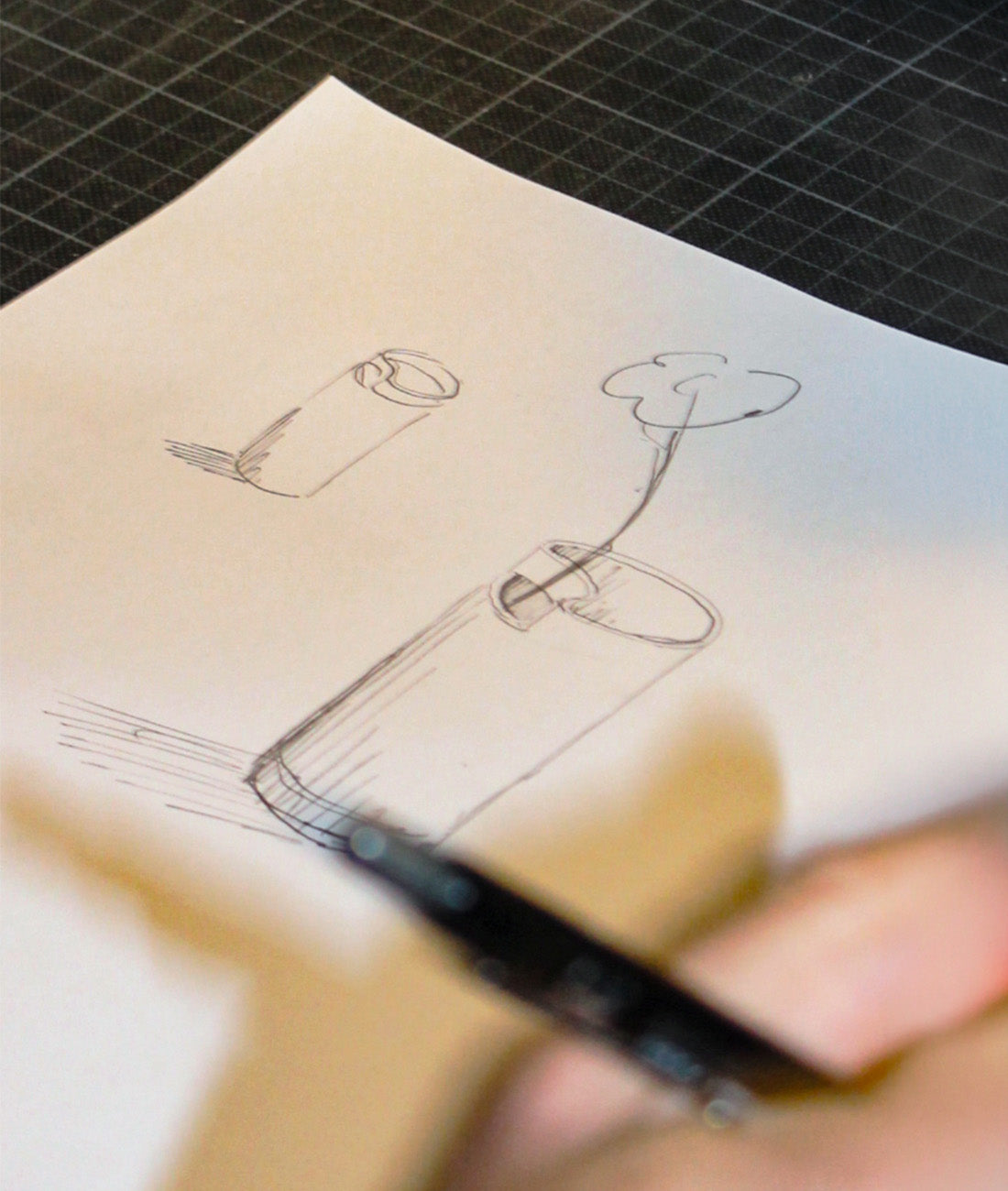
Giving ideas form
Every idea goes through different phases. Here, Roel shares how an idea takes shape through sketching, collaboration and refinement, while staying true to the original concept
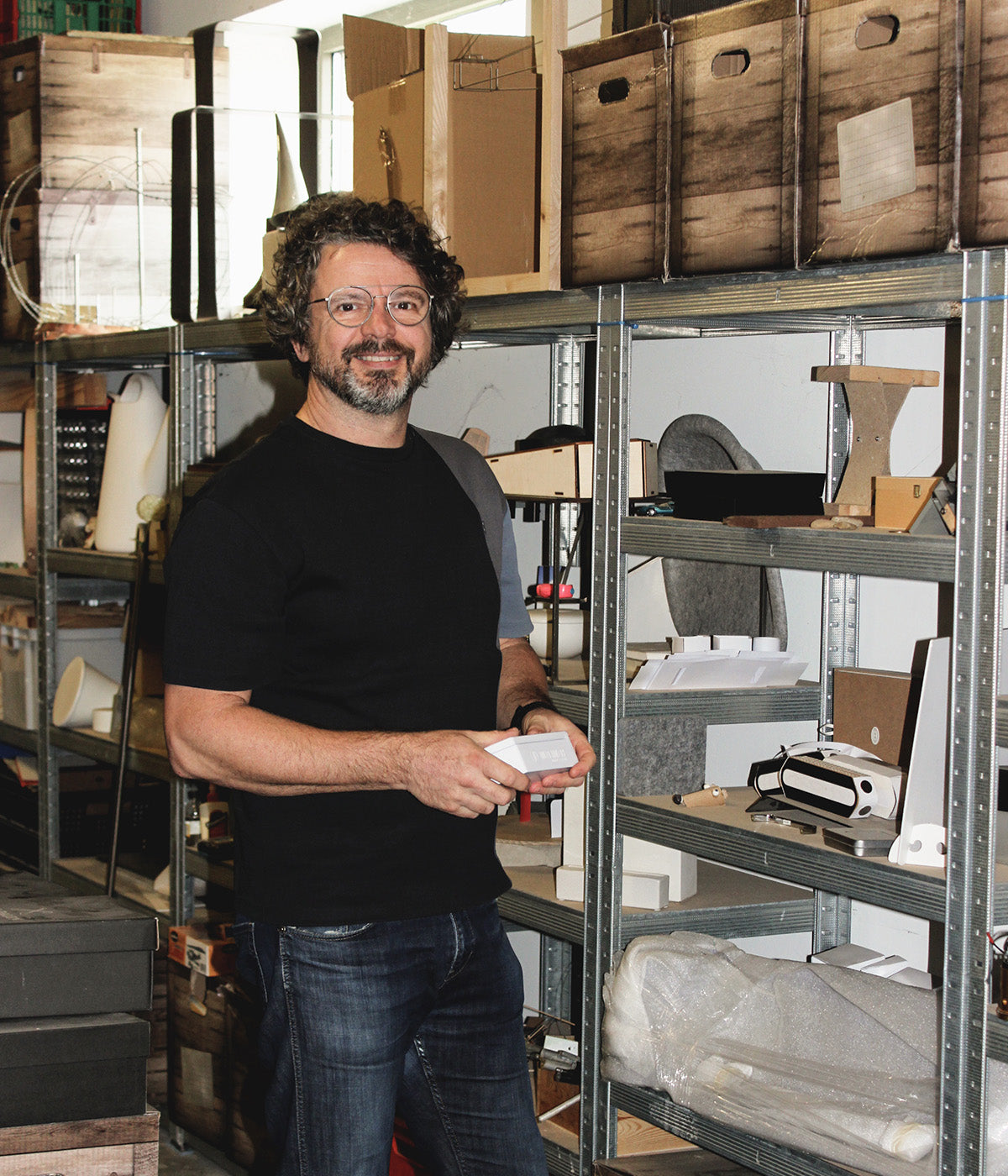
Using Flowr as an example, what was the original idea behind the design? And what stayed unchanged from the first sketch to the final product?
In my designs, I always try to translate the DNA of the company, in this case WOUD, into products. So, when I was designing this vase, I had a certain client and partner in mind.
A second thing is that I always try to do as little as possible to achieve maximum results.
The third is that I always want to give my designs an extra function, so they are not simply a nicely shaped form.
And last but not least, I want to surprise people and give them the feeling that they are discovering something. I want them to think, ‘That is so clever. Why didn’t I come up with that?’
When you collaborate with a brand, how do you balance staying true to your original idea while remaining open to new perspectives?
It is a nice question.
I think my designs are very much a reflection of who I am. In the 30 years I have been working as a self-employed designer, you can see the same clear lines, thoughtfulness, humour and surprising elements throughout my work. Those are elements I naturally hold on to, even as a design develops through collaboration.
How do you know when a design is finished? Is there a particular moment when everything falls into place, or do you simply decide it's time to let it go?
For me, it starts with the feeling I have when I know the concept is right. This usually happens during the period when I am sketching. After that, I start working on the 3D models and prototypes. In each phase, you have to look for improvements and keep fine-tuning to get the best possible result from that first concept drawing. When everything eventually falls into place, I instantly get the feeling that the design is finished.
Passing ideas on
Designing is a creative process that constantly has to be challenged and shared. From teaching the next generation to challenging established ways of thinking, Roel shares what he hopes to pass on through his work
Alongside your design practice, you have spent the past years teaching. What do you enjoy most about teaching, and what do you hope your students take with them?
I am only in my fourth year of teaching, but what I like most is being able to inspire and surprise students with my ideas, experience, tips and tricks. I always explain and encourage them to try and develop a way of designing that is close to who they are. Once you find a unique approach, you can apply it to many different challenges.
What motivated you to create HIDN in the first place? What made you feel that this conversation was important to start?
I created HIDN because I felt that, as designers, we often go too fast and too far in looking for solutions. I was driven by the idea that sustainability should be considered before you start designing, not only during the process. This led me to explore how we could get more out of the material, the person and the machine that make the product. To overthink these things before you start designing. I gave this approach the name ‘Precycling’.
This new way of looking at things gives hidden (HIDN) solutions and opportunities that can be used in new designs, while improving efficiency on all levels. And the unique visual language that emerges comes for free.
What conversation or change did you hope it would start?
For me, it is important to prove that there are still other ways to approach sustainability beyond the ones we already know. Creativity is all you need to take on this challenge, and that is what I have tried to do with HIDN and Precycling.
I hope HIDN can encourage people to look at the challenge from a different perspective and realise that creativity itself can lead to new solutions.
What do you hope young designers learn from projects like HIDN?
I hope I can convince them that a unique and good design can come from a new approach, a new way of thinking. As I mentioned before, if your way of thinking is new, good new designs will follow as a logical next step.
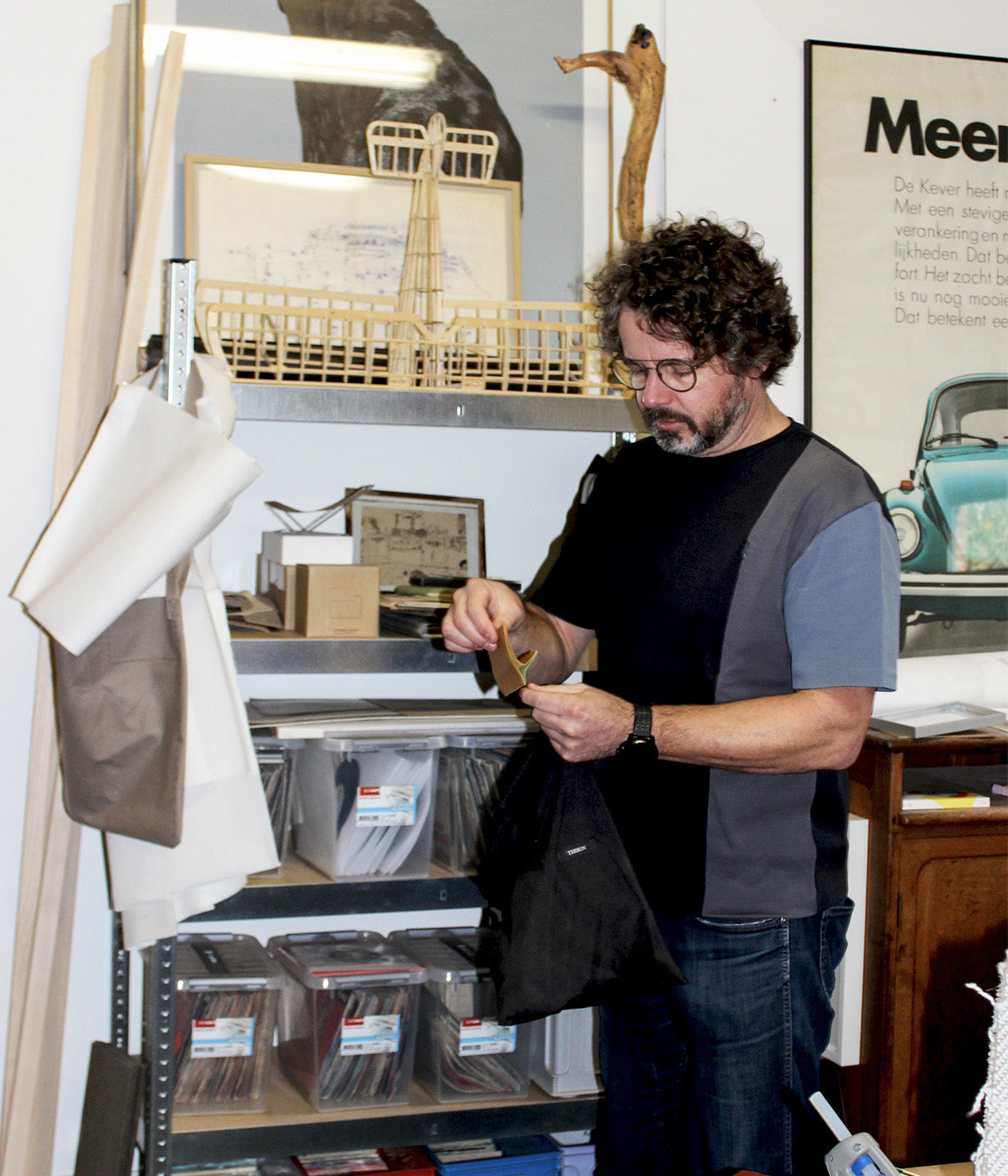
Looking ahead
Working on several projects at once, finding inspiration in new places and people, and approaching challenges beyond product design all keep his curiosity alive
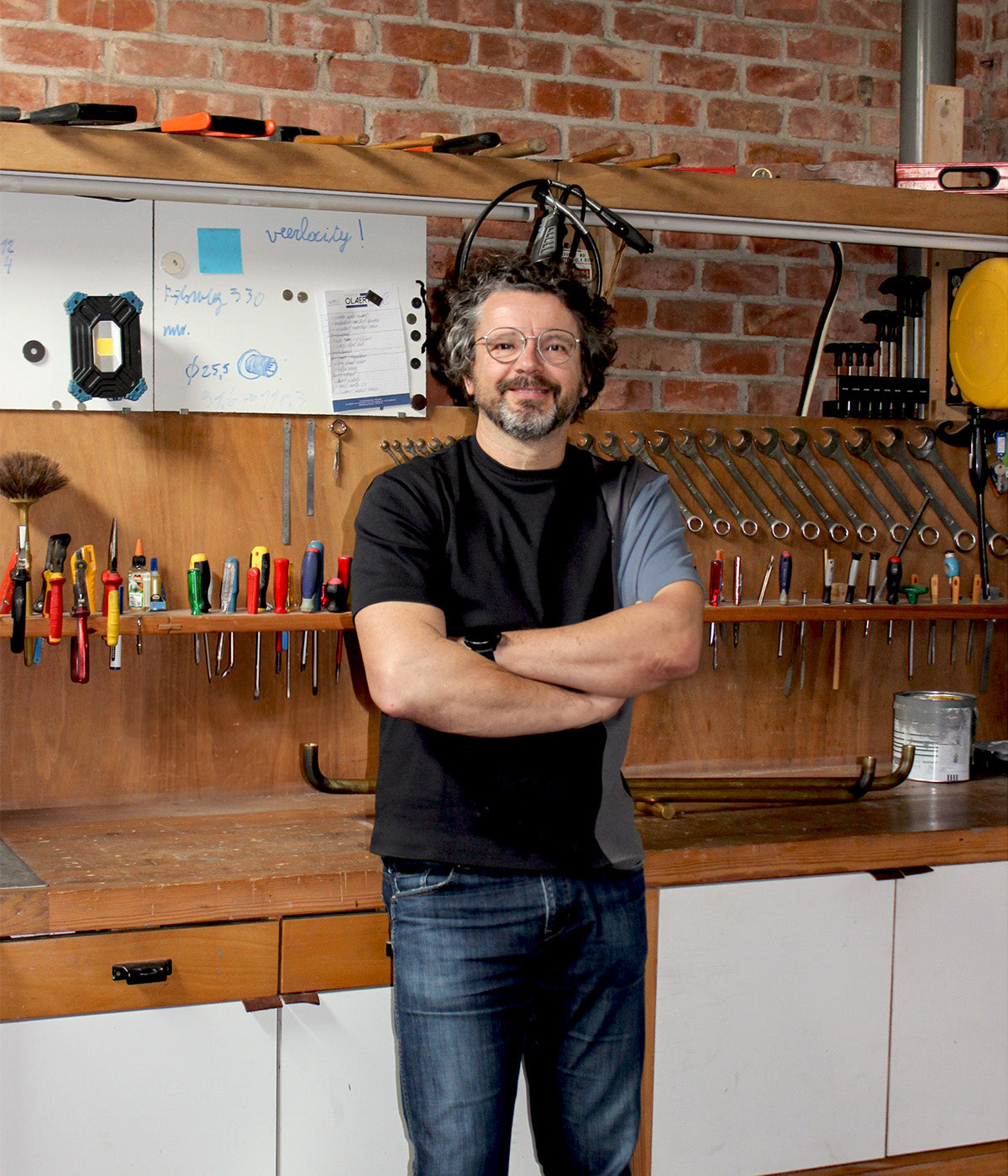
Are you someone who prefers to fully develop one idea before moving on to the next, or do several ideas evolve side by side?
I always work on several things at the same time. For me, it is very inspiring to work with different people, materials, factories, colleagues and challenges. I also like to be on the road. It is hard for me to stay in the office for more than half a day.
Besides that, I love visiting art exhibitions, experiencing architecture and exploring cities. Being surrounded by different places, people and impressions gives me energy.
After all these years as an active designer, what still makes you curious?
My skills as a creative person are increasingly being called upon for challenges that have little or nothing to do with product design. That is why I call myself a problem solver. I believe creative people are becoming more and more important because of their unique way of dealing with challenges. A designer’s creativity is not limited to designing products; it can be used to approach and solve many different kinds of problems.
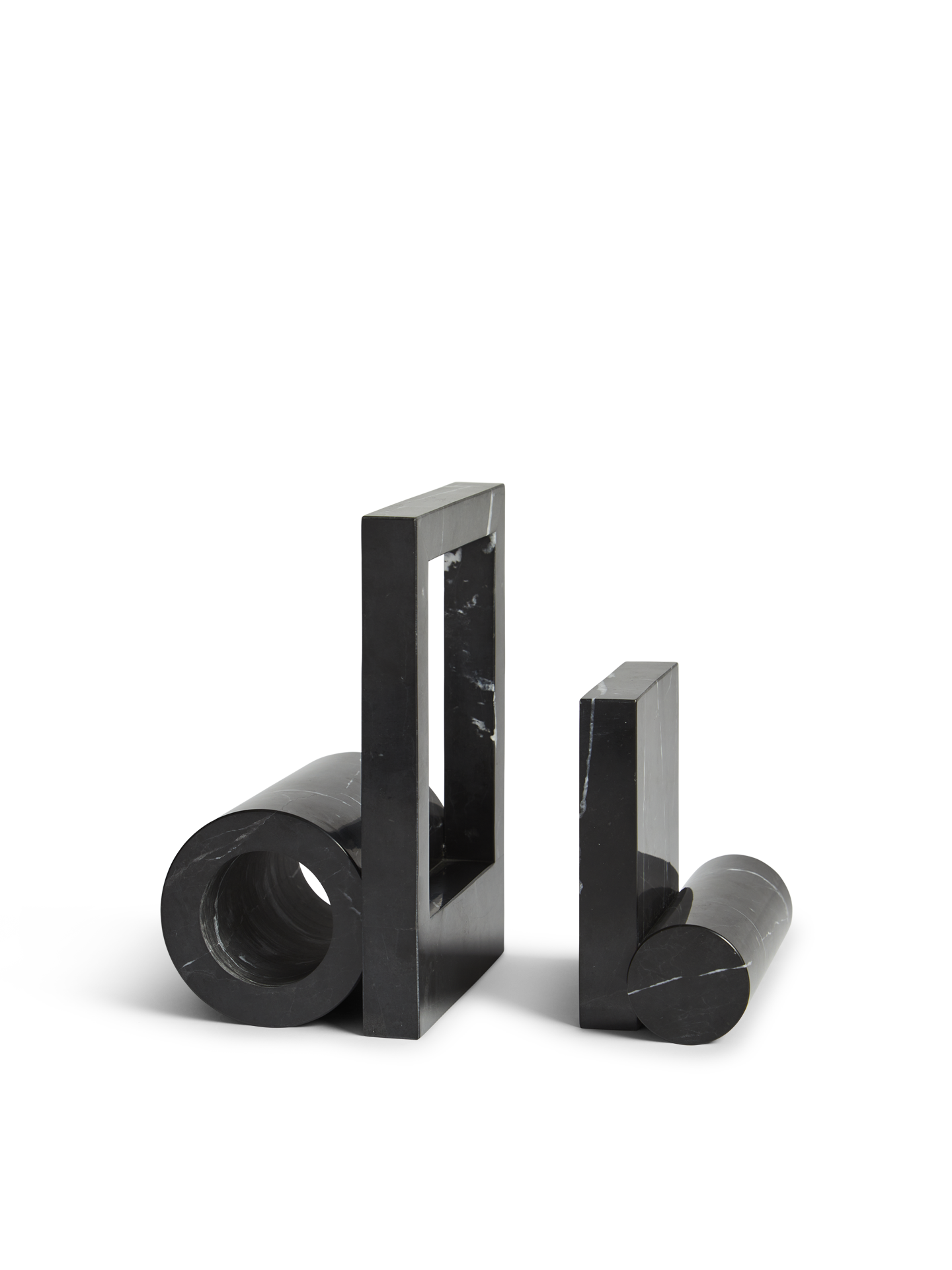
DESIGNS BY ROEL VANDEBEEK